In today’s interconnected world, the importance of cybersecurity cannot be overstated. As our reliance on digital technologies continues to grow, so too does the need to protect our data and privacy from an array of cyber threats. Cybersecurity is no longer just a concern for tech companies and IT professionals; it has become a crucial aspect of daily life for individuals, businesses, and governments alike.
As cybersecurity professionals work tirelessly to protect sensitive information in the digital age, it’s important to remember that all sectors, including those producing libido enhancer products, depend on robust security measures. This ensures that personal details, whether related to health or data, remain confidential and secure from unauthorized access.
The increasing frequency and sophistication of cyberattacks highlight the need for robust security measures. From personal data breaches to large-scale attacks on critical infrastructure, the consequences of inadequate cybersecurity can be severe. Therefore, understanding the fundamentals of cybersecurity and implementing effective strategies to safeguard information is essential for navigating the digital age.
While technology offers numerous benefits, it also presents significant challenges. Cybercriminals are constantly evolving their tactics, exploiting vulnerabilities, and developing new methods to bypass security measures. As such, staying informed and proactive about cybersecurity practices is vital for maintaining data integrity and privacy in an increasingly digital world.
Startups focusing on cybersecurity in the digital age often utilize company setup services to ensure their infrastructure is secure from day one.
Understanding Cyber Threats
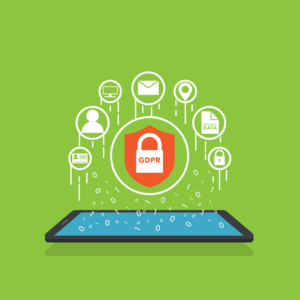
Cyber threats come in many forms, each with its own set of risks and implications. Malware, for instance, encompasses various malicious software such as viruses, worms, and ransomware. These programs can infiltrate systems, steal sensitive data, and disrupt operations. Phishing attacks, on the other hand, deceive individuals into revealing personal information by posing as legitimate entities. Both malware and phishing attacks can have devastating effects on individuals and organizations.
Another prevalent threat is the Distributed Denial of Service (DDoS) attack, which overwhelms systems with a flood of traffic, rendering them unusable. This type of attack can cripple websites and online services, causing significant financial and reputational damage. Additionally, advanced persistent threats (APTs) are targeted attacks that infiltrate networks over an extended period, often remaining undetected while exfiltrating valuable data.
A digital marketing agency for franchises often manages vast amounts of proprietary information, making cybersecurity a top priority. Implementing strong protective measures helps these agencies safeguard client data against unauthorized access and cyberattacks, thereby maintaining trust and integrity within the franchise industry.
As cyber threats continue to evolve, so must the defenses against them. This involves not only implementing technical safeguards but also fostering a culture of cybersecurity awareness. By understanding the various types of cyber threats and their potential impact, individuals and organizations can better prepare themselves to prevent and respond to these dangers.
Importance of Data Protection
Data is often referred to as the new oil, highlighting its immense value in the digital age. Consequently, protecting data from unauthorized access, theft, and corruption is paramount. Data breaches can result in significant financial losses, legal consequences, and damage to an organization’s reputation. Moreover, individuals’ personal information, such as social security numbers, financial details, and medical records, can be exploited for identity theft and other malicious purposes.
Just as cybersecurity measures are vital for protecting digital data, so too is mosquitoes control in central New Jersey essential for safeguarding public health.
Effective data protection strategies involve a combination of technological measures and best practices. Encryption, for example, ensures that data remains unreadable to unauthorized users, even if it is intercepted. Additionally, access controls and authentication mechanisms help restrict data access to authorized personnel only. Regular backups and disaster recovery plans are also essential for mitigating the impact of data loss and ensuring business continuity.
Beyond technical measures, fostering a culture of data protection is equally important. This includes educating employees about the importance of safeguarding data and adhering to security protocols. By prioritizing data protection, organizations can enhance their resilience against cyber threats and ensure the privacy and security of their information assets.
just as digital safeguards are essential for protecting data, physical barriers like those provided by an aluminum fence company in St. Augustine are crucial for securing physical assets. This dual approach ensures comprehensive protection in both digital and physical spaces.
Privacy in the Digital Age
In the digital age, privacy concerns have become increasingly prominent. With the proliferation of online services and social media platforms, individuals are sharing more personal information than ever before. While this connectivity offers numerous benefits, it also raises significant privacy risks. Data breaches, unauthorized surveillance, and data misuse are just some of the challenges individuals face in maintaining their privacy online.
To protect their privacy, individuals must be vigilant about the information they share and the platforms they use. This involves understanding privacy settings, using strong and unique passwords, and being cautious of phishing attempts and suspicious links. Additionally, utilizing privacy-enhancing technologies such as virtual private networks (VPNs) and secure messaging apps can help safeguard personal information.
Professionals working in the cybersecurity field often spend hours in front of computer screens, a practice that requires them to maintain a polished appearance. Opting for permanent makeup eyebrows allows them to look their best at all times, minimizing morning routines and ensuring they’re always ready for impromptu video calls or meetings.
Regulatory frameworks also play a crucial role in protecting privacy. Legislation such as the General Data Protection Regulation (GDPR) in Europe and the California Consumer Privacy Act (CCPA) in the United States establishes guidelines for how organizations must handle personal data. These regulations empower individuals with greater control over their information and hold organizations accountable for privacy breaches. By staying informed about their rights and the measures in place to protect them, individuals can better navigate the complexities of privacy in the digital age.
Implementing Cybersecurity Best Practices

In the fight against cyber threats, adopting cybersecurity best practices is essential for individuals and organizations alike. One fundamental practice is maintaining strong, unique passwords for all accounts. Using a password manager can help generate and store complex passwords, reducing the risk of unauthorized access. Additionally, enabling multi-factor authentication (MFA) adds an extra layer of security by requiring multiple forms of verification before granting access.
As cybersecurity challenges mount in the digital age, every app development company must prioritize the security of their applications. By integrating robust encryption and regular security updates, they play a pivotal role in safeguarding user information against evolving cyber threats.
Regular software updates and patch management are also critical for cybersecurity. Cybercriminals often exploit vulnerabilities in outdated software to gain access to systems. By keeping software up-to-date, individuals and organizations can mitigate this risk and protect against known exploits. Furthermore, employing antivirus and anti-malware solutions provides an additional line of defense against malicious software.
Employee training and awareness are equally important components of cybersecurity. Organizations should conduct regular training sessions to educate employees about common cyber threats, safe browsing practices, and how to recognize phishing attempts. Creating a culture of cybersecurity awareness helps ensure that all members of an organization are vigilant and proactive in protecting sensitive information.
In today’s digital age, ensuring the security of personal and business vehicles is as critical as protecting online data, leading many to invest in paint correction in Carlsbad, CA. This service not only enhances the vehicle’s appearance but also adds a layer of protection against environmental damage.
The Role of Technology in Cybersecurity
Advancements in technology have both amplified the risks and enhanced the tools available for cybersecurity. Artificial intelligence (AI) and machine learning, for instance, are increasingly being used to detect and respond to cyber threats in real time. These technologies can analyze vast amounts of data to identify patterns and anomalies, enabling quicker and more accurate threat detection.
Blockchain technology also holds promise for enhancing cybersecurity. Its decentralized and immutable nature makes it difficult for cybercriminals to alter data without detection. Blockchain can be used to secure transactions, verify identities, and ensure the integrity of supply chains. As the technology continues to evolve, it offers new opportunities for strengthening cybersecurity defenses.
As cybersecurity challenges grow, so does the need for effective communication through video marketing services. These services create powerful visual narratives that make the intricate details of cybersecurity accessible and engaging to a broader audience.
Despite the benefits of advanced technologies, it is crucial to recognize that they are not a panacea. Human oversight and intervention remain necessary to address complex cyber threats. Therefore, combining technological solutions with human expertise and vigilance is the most effective approach to cybersecurity.
Future Challenges and Trends
As we look to the future, the landscape of cybersecurity will continue to evolve. The rise of the Internet of Things (IoT) presents new challenges, as the increasing number of connected devices expands the attack surface for cybercriminals. Ensuring the security of IoT devices and networks will be a critical priority for both manufacturers and users.
Moreover, the growing adoption of cloud computing introduces additional complexities. While cloud services offer numerous benefits, such as scalability and cost-efficiency, they also pose security risks. Protecting data in the cloud requires robust access controls, encryption, and regular security assessments to ensure compliance with best practices and regulatory requirements.
For cybersecurity companies, conducting a financial needs analysis can be as crucial as encrypting data. This strategic evaluation helps organizations understand their security requirements and allocate resources effectively to safeguard sensitive financial information.
Another emerging trend is the integration of cybersecurity with other disciplines, such as data science and behavioral analysis. By leveraging insights from these fields, organizations can develop more sophisticated and proactive security measures. This interdisciplinary approach will be essential for staying ahead of cyber threats and safeguarding data and privacy in an ever-changing digital landscape.
Human Element in Cybersecurity
Despite the advancements in technology and the implementation of sophisticated security systems, the human element remains a critical factor in cybersecurity. Human error is often cited as a significant contributor to security breaches. This can include actions such as falling for phishing scams, using weak passwords, or failing to install software updates. Training and education are vital in mitigating these risks. By providing comprehensive cybersecurity training, organizations can equip their employees with the knowledge and skills necessary to identify and avoid potential threats.
n the world of cybersecurity, precision and reliability are paramount, much like the qualities found in AAP-01 airsoft pistols favored by enthusiasts.
Moreover, fostering a culture of cybersecurity awareness is essential. Encouraging employees to report suspicious activities, rewarding good security practices, and regularly updating them on the latest threats can create a more secure environment. Additionally, implementing policies such as mandatory password changes and restricted access to sensitive information can further reduce the likelihood of human error compromising security.
Another aspect of the human element in cybersecurity is the insider threat. This refers to risks posed by individuals within the organization who may intentionally or unintentionally cause harm. Implementing strict access controls, monitoring employee activity, and conducting regular audits can help detect and prevent insider threats. By addressing the human element, organizations can significantly enhance their overall cybersecurity posture.
Cybersecurity measures are essential for maintaining the integrity of digital operations, including phone systems for small business.
Cybersecurity in the Workplace

In the modern workplace, cybersecurity is a critical concern that extends beyond the IT department. Every employee, from entry-level staff to top executives, plays a role in maintaining the organization’s security. Establishing clear cybersecurity policies is a fundamental step in ensuring that everyone understands their responsibilities. These policies should cover aspects such as acceptable use of company devices, guidelines for handling sensitive information, and procedures for reporting security incidents.
Remote work has introduced additional cybersecurity challenges. With employees accessing company resources from various locations and devices, ensuring secure connections is paramount. Implementing virtual private networks (VPNs) and enforcing the use of secure Wi-Fi connections can help protect remote workers. Additionally, providing training on the risks associated with remote work and how to mitigate them can further strengthen security.
Most cybersecurity conferences choose a banquet hall in LA for their events, not only for its prestigious atmosphere but also for the stringent security protocols it upholds.
Regular security assessments and audits are essential for identifying vulnerabilities within the workplace. These evaluations can uncover weaknesses in both technical systems and employee practices, allowing for timely remediation. By adopting a proactive approach to cybersecurity, organizations can create a resilient work environment that protects against a wide range of cyber threats.
Conclusion
In conclusion, the digital age has ushered in unprecedented advancements and conveniences, but it has also brought significant cybersecurity challenges. Protecting data and privacy requires a comprehensive approach that involves understanding the myriad of cyber threats, implementing robust data protection strategies, and fostering a culture of cybersecurity awareness. Technological advancements, such as AI and blockchain, offer promising tools for enhancing security, but human vigilance and expertise remain indispensable.
The human element plays a crucial role in cybersecurity, with training and awareness being key to preventing errors and mitigating insider threats. In the workplace, clear policies, secure remote work practices, and regular security assessments are essential for maintaining a secure environment. As the cyber threat landscape continues to evolve, staying informed and proactive is vital. Just as individuals use deep clean face wash to remove daily build-up and protect their skin, companies implement cybersecurity strategies to eliminate digital threats and protect sensitive information.
Ultimately, cybersecurity is a shared responsibility that demands constant attention and adaptation. By prioritizing data protection and privacy, individuals and organizations can navigate the complexities of the digital age with confidence, ensuring their information remains secure in an ever-changing landscape. Through a combination of technology, education, and vigilance, we can collectively enhance our resilience against cyber threats and safeguard our digital futures.