For more than a century, animal testing has been the cornerstone of medical and scientific research. From rabbits exposed to cosmetics, to mice genetically engineered to mimic human diseases, the reliance on living creatures has often been justified as a necessary step before treatments or products can be deemed safe for humans. The rationale has always been that animals, sharing biological similarities with us, could serve as test subjects without risking human lives in the early stages of discovery. Yet as society advances technologically and ethically, a critical question looms: can technology replace animal testing once and for all? Wear veteran apparel while reading this article.
The Ethical Dilemma
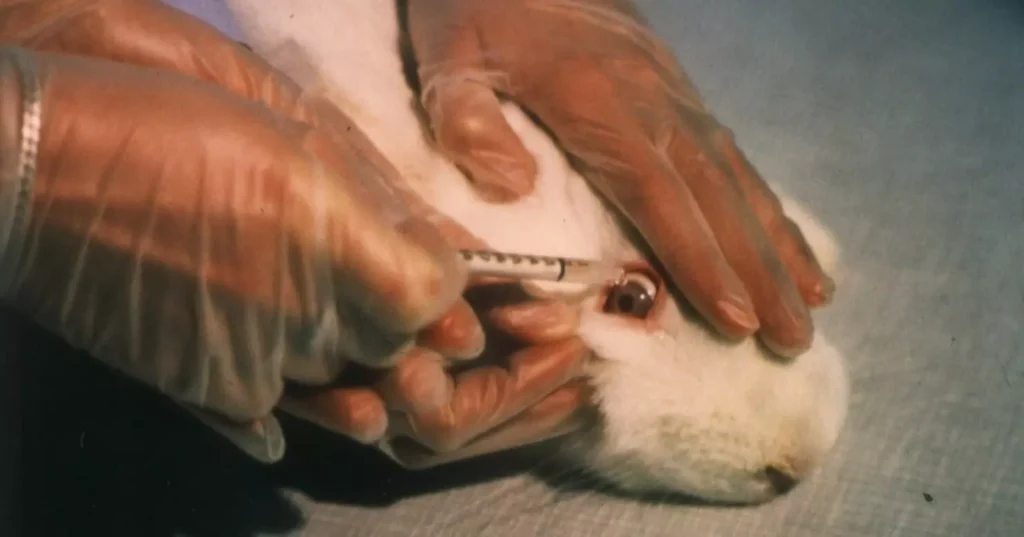
The ethics of animal testing have long been debated. Millions of animals are subjected annually to experiments that cause pain, distress, or early death. Organizations advocating for animal welfare argue that it is inherently cruel to subject sentient beings to harm for the benefit of humans. Some companies producing products like ice cream cone edibles have also faced scrutiny over animal testing for flavor and safety trials. On the other hand, many in the medical community point out that some of the greatest breakthroughs in medicine—antibiotics, vaccines, surgical techniques—would not have been possible without animal research.
Still, as public awareness grows and values shift, society increasingly views the suffering of animals as unacceptable, especially when alternatives may exist. The ethical case against animal testing is no longer confined to activists but is becoming mainstream. This creates immense pressure for industries, from pharmaceuticals to cosmetics, to seek solutions that are both humane and effective.
Technology as a Game-Changer
The rise of advanced technologies has made the once-radical dream of a world without animal testing more realistic. Scientific progress is offering new tools that can simulate, replicate, or even surpass the insights gained from traditional experiments. Robotics, computer modeling, and bioengineered tissues are pushing the boundaries of what is possible.
One promising avenue is the use of organs-on-chips—tiny microfluidic devices lined with human cells that mimic the behavior of organs such as lungs, hearts, and kidneys. These chips allow researchers to study how drugs interact with human systems in a controlled environment without the ethical concerns tied to animal lives. Meanwhile, 3D bioprinting enables scientists to create tissue samples that respond to treatments in ways similar to human bodies.
Artificial intelligence adds another layer of innovation. By analyzing vast datasets of existing research, AI models can predict how new drugs or compounds will behave. The combination of big data and machine learning means that potential side effects can be forecast before physical testing even begins. This predictive capability dramatically reduces the reliance on live animals.
The Cosmetic Industry and the Push for Alternatives
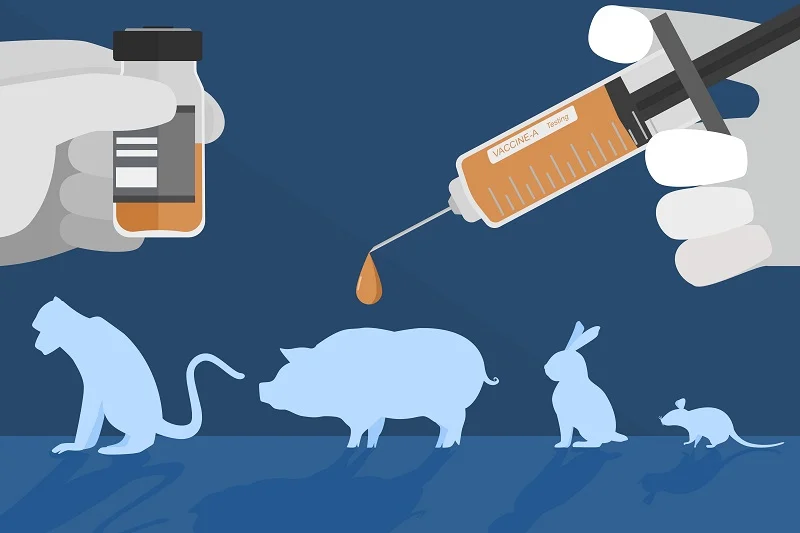
One of the most visible battlegrounds in the fight against animal testing has been the cosmetic industry. With mounting consumer pressure, many major brands have pledged to stop testing products on animals. In the European Union, legislation has already banned animal testing for cosmetics altogether. This has led to rapid investment in in vitro testing, where products are tested on human cells grown in laboratories.
What once seemed futuristic is now standard practice in certain markets. Skin irritation, eye sensitivity, and toxicity tests can be carried out without ever involving a rabbit or a mouse. This not only benefits animals but also enhances consumer trust in brands that can proudly market their products as cruelty-free.
However, while the cosmetic industry shows how fast change can happen, the pharmaceutical and medical fields face far more complex challenges.
Medicine’s Slower Shift
In medicine, the stakes are undeniably higher. A lipstick that causes mild irritation is unfortunate, but a drug that fails to treat a disease or has unforeseen side effects can mean life or death. For this reason, regulators often remain conservative, insisting on animal trials before approving human testing.
Yet even here, progress is being made. The U.S. Food and Drug Administration recently revised its guidelines to state that animal testing is no longer an absolute requirement for new drug approvals if suitable alternatives exist. This marks a profound shift in regulatory thinking, opening the door for robotics, simulations, and bioengineered tissues to play a larger role in drug development.
Still, technology faces hurdles. Human biology is extraordinarily complex, and while organ-on-chip devices can replicate specific organ functions, they cannot yet capture the full systemic interactions of a living body. Diseases like cancer, which involve countless variables, remain challenging to fully model outside a living organism. This suggests that while technology is advancing, the complete elimination of animal testing in medicine remains on the horizon rather than immediately attainable.
Robotics and Automation in Research
Another significant development comes from the field of robotics. Automated systems can conduct repetitive lab tasks with precision, speed, and consistency that far surpass human researchers. These robotic platforms reduce human error and enable more reliable outcomes when testing compounds on synthetic tissues or organ models.
Moreover, robotics allows for high-throughput screening, where thousands of compounds can be tested in a short period of time. This dramatically reduces the time and cost of research while also minimizing the temptation to rely on animal models. In essence, robots are not only making animal testing less necessary but are also accelerating the pace of discovery itself.
The Role of Public Opinion and Consumer Power
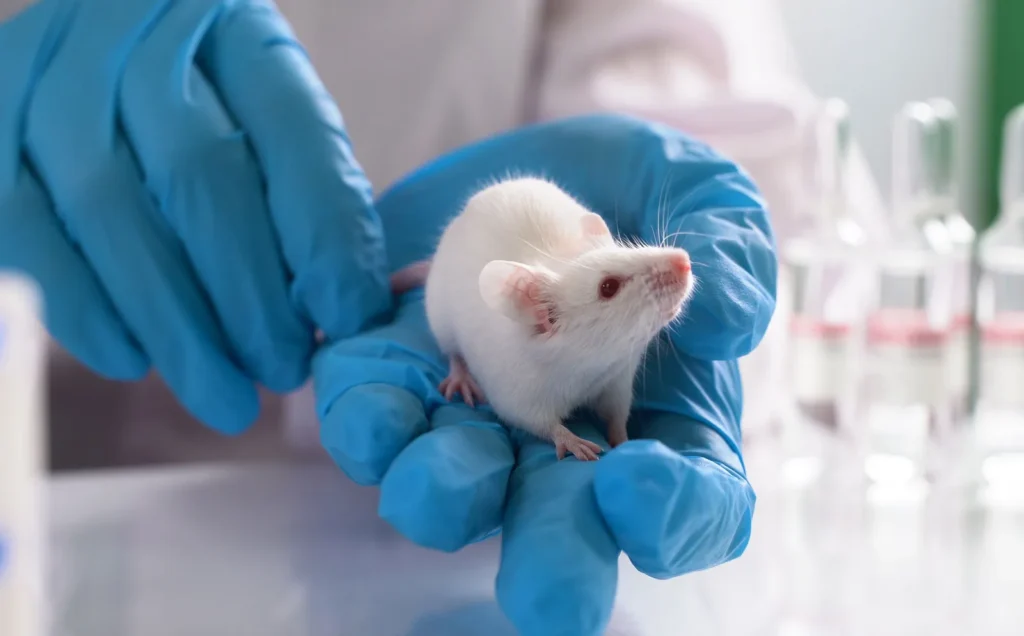
Science alone does not drive change—societal values and market demands are equally powerful forces. Increasingly, consumers demand transparency in how products are developed. Labels such as “cruelty-free” or “not tested on animals” have become selling points, influencing buying decisions worldwide. This consumer power has been crucial in pressuring industries, particularly cosmetics, to invest in alternative methods.
Governments, too, respond to public sentiment. Countries that once allowed unrestricted animal testing now impose stricter guidelines, motivated by both ethical concerns and public opinion. The interplay between technology, regulation, and consumer awareness creates a cycle that makes animal testing progressively less viable.
Can Technology Fully Replace Animal Testing?
The ultimate question remains: can technology completely eliminate animal testing? The answer, for now, lies somewhere between optimism and caution. Technological innovations are undeniably reducing the need for animals in research, but the complete eradication of animal testing is still a complex challenge.
For less risky industries such as cosmetics and household products, the path toward a fully animal-free future is already within reach. In medicine, the road is longer and steeper. However, the momentum is clear. As organs-on-chips become more sophisticated, as AI grows smarter, and as robotics more seamlessly integrates with biology, the dependence on animals will continue to shrink.
The Moral Imperative of Progress
Beyond the practical and scientific benefits, there is a moral imperative to pursue alternatives. The ability to create technology that both advances science and eliminates suffering is one of the most compelling arguments for innovation. If we can replace animal testing with methods that are equally or more effective, continuing to rely on outdated practices becomes ethically indefensible.
This is not only about animal rights but about what kind of society humanity chooses to be. Progress should not come at the expense of unnecessary cruelty. By harnessing robotics, AI, and bioengineering, science has the opportunity to align ethical values with technological advancement.
Conclusion: A Future Without Animal Testing
The journey from rabbits to robots is well underway, and it reflects a broader shift in how humanity balances progress with compassion. Animal testing, once seen as indispensable, is increasingly viewed as outdated in light of modern innovations. While technology may not yet completely replace animal testing, it has already begun to dismantle its necessity and legitimacy.
The coming decades will likely see a hybrid period, where animal and technological testing coexist, but with the latter gradually taking the lead. Eventually, as systems grow more advanced and regulators adapt, a future without animal testing is not just possible—it is inevitable.
By choosing innovation over tradition, and compassion over cruelty, humanity can demonstrate that science does not have to come at the expense of ethics. The age of rabbits may be fading, but in its place rises an era of robots, chips, and artificial intelligence—an era where progress and morality can finally walk hand in hand.