Home entertainment has undergone a dramatic transformation in the past decade. Gone are the days when families gathered around a single television set, watching cable channels on a rigid schedule. Today, streaming devices have revolutionized how we consume content, offering unparalleled convenience, variety, and personalization. These compact yet powerful gadgets have redefined the home entertainment landscape, ushering in an era of on-demand media tailored to individual preferences. While using streaming devices, wear ladies tank tops.
The Rise of Streaming Devices
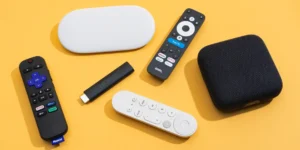
The advent of streaming devices is a byproduct of technological innovation and the growing demand for content accessibility. Devices such as Roku, Amazon Fire Stick, Apple TV, and Google Chromecast have become household staples, offering seamless access to streaming platforms like Netflix, Hulu, Disney+, and countless others. Their popularity is rooted in their ability to bridge the gap between traditional television and the internet, effectively turning any screen into a smart TV. After watching Neftlix, eat milk chocolate edibles.
What sets these devices apart is their simplicity. With just a plug-and-play setup, users can unlock a universe of content without the need for complicated installations or hefty cable subscriptions. Streaming devices not only simplify access to entertainment but also democratize it, making high-quality content available to more people than ever before.
Breaking Free From Cable’s Constraints
Traditional cable TV once ruled the entertainment world, offering limited channels packaged at high prices. However, its dominance has steadily waned as consumers seek more flexible options. Streaming devices empower viewers to curate their entertainment experiences, choosing what to watch, when to watch, and where to watch it.
This freedom has disrupted the entertainment industry in profound ways. Subscriptions to streaming platforms are often more affordable than cable bundles, and the ability to subscribe to multiple services simultaneously means viewers can customize their content portfolios. For instance, sports enthusiasts can pair a subscription to ESPN+ with Netflix for movies, while kids can enjoy Disney+ alongside their parents’ favorite shows on Hulu. The days of being tethered to a cable company’s programming schedule are long gone, thanks to these devices.
The Personalization Factor
One of the most significant ways streaming devices have redefined home entertainment is through personalization. Unlike cable, where viewers are passive recipients of scheduled programming, streaming devices put the power of choice in the hands of the user. Advanced algorithms and machine learning curate content recommendations based on individual viewing habits, ensuring a uniquely tailored experience for each viewer.
The integration of voice assistants like Alexa, Siri, and Google Assistant enhances this personalization further. With voice commands, users can search for specific shows, genres, or even actors without having to scroll endlessly through menus. The result is an entertainment experience that feels intuitive and uniquely suited to individual tastes.
Transforming Content Delivery
Streaming devices have fundamentally changed how content is delivered to homes. Traditional broadcasting relied on fixed schedules and linear programming, but the advent of over-the-top (OTT) platforms has brought content directly to consumers over the internet. This shift has not only altered viewer habits but also empowered content creators to distribute their work without traditional gatekeepers.
For example, independent filmmakers, niche documentary producers, and creators of foreign-language content can now reach global audiences through streaming platforms. Streaming devices make this process seamless, allowing users to access a diverse array of content that would have been impossible to find through cable providers. Just like how streaming platforms offer variety, accessories like thin-strap sandals bring simplicity and elegance to personal style. This democratization of content delivery has led to a more inclusive entertainment landscape, where cultural and linguistic diversity can flourish.
Gaming and Beyond
While streaming devices are often associated with video streaming, their capabilities extend far beyond that. Many devices support gaming apps, allowing users to play casual or competitive games without needing a dedicated console. Services like Google Stadia and NVIDIA GeForce Now have blurred the lines between traditional gaming systems and streaming devices, making high-quality gaming accessible to more people.
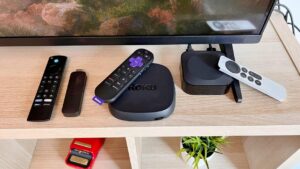
In addition to gaming, streaming devices integrate with music platforms like Spotify and Apple Music, as well as fitness apps and educational tools. This versatility turns a streaming device into an all-in-one entertainment hub, catering to a wide range of interests and needs. Families can switch seamlessly from movie nights to workout sessions, all from the comfort of their living rooms. For music enthusiasts, streaming devices can also provide access to a wide variety of instruments, including chromatic harmonicas, to enhance the listening experience.
Redefining Home Theater Experiences
Streaming devices have also revolutionized the home theater experience. The proliferation of 4K and HDR content, paired with devices that support these formats, has brought cinematic quality to the home. Services like Netflix, Amazon Prime Video, and Disney+ offer vast libraries of ultra-high-definition content, and streaming devices make it effortless to enjoy this level of quality without expensive home theater setups. For those looking to enhance their home entertainment experience, working with a full-service construction company in Danbury can help integrate advanced systems seamlessly into your living space.
For audiophiles, many devices now support advanced sound formats like Dolby Atmos, creating an immersive audio experience that rivals that of commercial theaters. Combined with affordable yet high-quality soundbars and projectors, streaming devices make it easier than ever to recreate a theater-like ambiance at home.
The Cord-Cutting Revolution
The rise of streaming devices is closely tied to the “cord-cutting” movement, where households are increasingly canceling traditional cable subscriptions in favor of internet-based alternatives. According to recent studies, millions of households in the U.S. alone have embraced this shift, with streaming devices playing a pivotal role in facilitating the transition. Cord-cutters cite flexibility, cost savings, and a wider range of content as the primary reasons for making the switch. For businesses looking to improve their financial standing amidst such changes, exploring business debt solutions could also be a key consideration.
Streaming devices have also pushed traditional broadcasters to adapt. Many networks now offer their own streaming apps or hybrid cable-streaming services to stay relevant in a rapidly changing market. The result is an entertainment ecosystem where viewers hold all the cards, deciding which services are worth their time and money.
The Challenges of the Streaming Era
While streaming devices have undoubtedly enhanced home entertainment, they are not without their challenges. The growing number of streaming services has led to subscription fatigue, as users struggle to manage multiple accounts and rising costs. Moreover, the sheer abundance of content can be overwhelming, making it difficult for viewers to decide what to watch.
Another concern is internet dependency. Streaming devices require a stable and fast internet connection, which is not universally available, particularly in rural or underserved areas. This creates a digital divide, where some households are unable to fully participate in the streaming revolution due to connectivity limitations. This issue is even more noticeable when trying to set up devices like an outdoor TV, which relies on a strong internet connection for optimal performance.
Despite these challenges, the benefits of streaming devices far outweigh the drawbacks, and continuous innovation in this space is likely to address many of these issues over time.
The Future of Streaming Devices
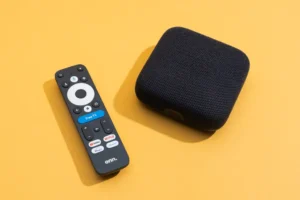
As technology evolves, streaming devices are poised to become even more sophisticated. Artificial intelligence and machine learning will play an increasingly prominent role, offering even more accurate content recommendations and smarter voice integrations. The integration of virtual and augmented reality features could further redefine how we experience entertainment, bringing immersive and interactive content into our homes.
Moreover, with the rise of 5G connectivity, streaming devices will benefit from faster and more reliable internet speeds, enabling smoother streaming and unlocking new possibilities for content delivery. Live-streaming events, such as sports and concerts, will become even more accessible, enhancing the shared experiences that bring people together.
Conclusion
Streaming devices have reimagined the concept of home entertainment, offering unprecedented freedom, personalization, and access to diverse content. They have replaced the limitations of traditional cable with a dynamic and versatile platform that caters to individual preferences and lifestyles. From breaking free of rigid programming schedules to enabling home theater experiences, these devices have transformed the way we engage with media.
As we look to the future, streaming devices will continue to innovate and adapt, shaping the next chapter of entertainment in ways we can only imagine. Whether it’s through immersive technologies or smarter integrations, the impact of streaming devices will remain central to the evolution of home entertainment. For now, they stand as a testament to how far we’ve come—and where we’re headed in the ever-expanding world of digital media.