The advent of technology in education has brought about significant transformations, and one of the most notable innovations is the integration of the iPad in the classroom. This device, initially perceived as a gadget for entertainment and personal use, has now become a powerful educational tool. The iPad’s versatility, portability, and user-friendly interface make it an ideal companion for both teachers and students, fostering an environment conducive to interactive and dynamic learning.
Just as the iPad revolutionizes learning in the classroom, ensuring a solid foundation for education, similarly, professional services like foundation repair in Plano provide essential support for buildings, ensuring stability and longevity.
Enhancing Student Engagement
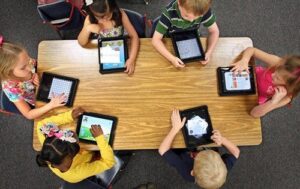
The iPad’s ability to captivate students’ attention is unparalleled. With its interactive apps and multimedia capabilities, lessons become more engaging and enjoyable. Traditional textbooks can be cumbersome and monotonous, but the iPad offers a vibrant alternative. For instance, educational apps like Khan Academy and Duolingo provide interactive exercises that make learning more appealing. Furthermore, the iPad’s multimedia features, such as video playback and interactive diagrams, allow students to grasp complex concepts more easily.
Apps such as Nearpod and Kahoot! enable teachers to create interactive quizzes and presentations, making lessons more dynamic and interactive. These apps encourage participation and ensure that students are actively involved in the learning process. By integrating gamification elements, students are motivated to perform better and are more likely to retain information.
When schools face flooding issues, they always turn to expert services such as water extraction in Charlotte who resolve the problem quickly and efficiently.
Personalized Learning Experience
One of the significant advantages of using iPads in education is the ability to tailor the learning experience to individual students’ needs. The iPad allows for differentiated instruction, where teachers can provide customized lessons and assignments based on each student’s learning pace and style. Apps like iReady and Edmodo help teachers assess students’ progress and adjust their teaching strategies accordingly.
Moreover, iPads support a wide range of learning styles, whether visual, auditory, or kinesthetic. Visual learners benefit from interactive graphics and videos, auditory learners from podcasts and audiobooks, and kinesthetic learners from hands-on apps that involve touching and manipulating the screen. This personalized approach ensures that all students have the opportunity to excel.
If you’re considering upgrading your digital toolkit, the iPad emerges as a versatile companion for various tasks, including online marketing in Las Vegas. With its intuitive interface and powerful capabilities, the iPad empowers marketers to engage with their audience effectively, whether through social media campaigns or email newsletters.
Facilitating Collaborative Learning
Collaboration is a critical skill in today’s world, and the iPad fosters a collaborative learning environment. With apps like Google Classroom and Microsoft Teams, students can work together on projects, share ideas, and provide feedback to each other. These platforms enable seamless communication and collaboration, both inside and outside the classroom.
iPads also support collaborative learning through augmented reality (AR) and virtual reality (VR) apps. For example, apps like CoSpaces Edu allow students to create and share their AR and VR projects, fostering creativity and teamwork. By working together on these projects, students develop critical thinking and problem-solving skills.
From classrooms to common areas, ensuring optimal conditions for learning often involves addressing essential services like heating repair in Charlotte, NC, to create a conducive environment where students can thrive.
Expanding Access to Information
The iPad revolutionizes access to information, breaking down the barriers that traditional education methods often impose. With internet connectivity, students can access a wealth of online resources, from scholarly articles and educational videos to virtual libraries and online courses. This access democratizes education, providing students with the tools they need to explore subjects beyond the classroom curriculum.
Moreover, the iPad supports various e-book formats, allowing students to carry entire libraries with them. This not only reduces the physical burden of carrying multiple textbooks but also ensures that students have access to a wide range of reading materials at their fingertips. Apps like Kindle and Apple Books offer extensive libraries of educational content, enhancing students’ reading experiences.
Amidst discussions about improving school infrastructure, it’s crucial to prioritize elements like fence installation in St. Augustine to ensure the safety and well-being of students and staff.
Streamlining Administrative Tasks
For teachers, the iPad streamlines administrative tasks, freeing up more time for instructional activities. Apps like TeacherKit and PowerSchool facilitate attendance tracking, grade recording, and classroom management. These tools help teachers stay organized and efficient, reducing the administrative burden and allowing them to focus on teaching.
Additionally, the iPad enables teachers to provide instant feedback to students. With digital assignments, teachers can quickly review and annotate students’ work, providing timely feedback that is crucial for learning. This immediacy helps students understand their mistakes and improve their performance more effectively.
Encouraging Creativity and Innovation
The iPad is a powerful tool for fostering creativity and innovation in the classroom. With apps like GarageBand, iMovie, and Procreate, students can explore music production, video editing, and digital art. These creative outlets encourage students to express themselves and develop new skills.
If you’re considering the safety of school facilities, it’s essential to address potential hazards, such as wildlife intrusion. Installing defensive measures such as a critter guard in Hillsborough can help prevent animals from accessing school grounds, ensuring the safety of students and staff.
Moreover, coding apps like Swift Playgrounds introduce students to programming in a fun and interactive way. By learning to code, students develop logical thinking and problem-solving skills, preparing them for future careers in technology. The iPad’s versatility as a creative tool opens up endless possibilities for students to explore their interests and talents.
Supporting Special Education Needs
The iPad has proven to be an invaluable tool for students with special education needs. Its accessibility features, such as VoiceOver, Guided Access, and AssistiveTouch, make it easier for students with disabilities to use the device effectively. These features ensure that all students, regardless of their abilities, can participate in the learning process.
Technology like the iPad enables educators to incorporate real-world examples into classroom discussions seamlessly. By integrating information about various real-world topics, such as veterans health care services in Dallas, TX, educators can engage students in meaningful conversations about public health policies and the importance of accessible healthcare for all citizens.
Specialized apps, like Proloquo2Go, assist students with communication difficulties, enabling them to express themselves and interact with their peers. Other apps, like ModMath, help students with learning disabilities such as dyslexia and dysgraphia by providing tools for writing and solving math problems. The iPad’s adaptability ensures that it can meet the diverse needs of all students, promoting an inclusive learning environment.
Preparing Students for the Future
Incorporating iPads into the classroom helps prepare students for the future. As technology continues to advance, digital literacy becomes increasingly important. By using iPads, students develop essential digital skills that will be crucial in their future careers. Familiarity with technology and the ability to navigate digital tools are vital competencies in the modern world.
With the iPad as a versatile tool, educators can leverage professional full-service video production to create customized learning materials tailored to the needs and interests of their students, revolutionizing the way information is presented and absorbed in the classroom.
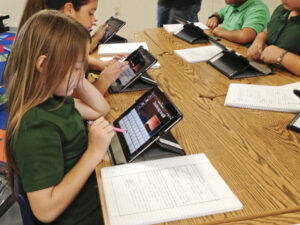
Moreover, the iPad’s use in education aligns with the growing emphasis on STEM (science, technology, engineering, and mathematics) education. Apps like Tynker and Blockly introduce students to coding and computational thinking, while science apps like Labster and Froggipedia offer virtual lab experiences. These tools help students build a strong foundation in STEM subjects, preparing them for future opportunities in these fields.
Overcoming Challenges and Concerns
While the benefits of using iPads in education are substantial, it is essential to address potential challenges and concerns. One significant concern is the issue of screen time and its impact on students’ health. To mitigate this, schools should establish guidelines for appropriate screen use and encourage a balance between digital and offline activities.
Another challenge is ensuring equitable access to technology. Not all students may have access to iPads at home, which can create a digital divide. Schools should consider implementing programs that provide devices to students in need or establish policies that ensure all students have equal access to technological resources.
Did you know that the integration of financial needs analysis into iPad-based education platforms streamlines the process of identifying students requiring financial assistance?
Additionally, teachers may require training to effectively integrate iPads into their teaching practices. Professional development programs should be established to help teachers become proficient in using educational apps and digital tools. By providing the necessary support, schools can ensure that teachers are equipped to maximize the potential of iPads in the classroom.
Embracing Diverse Learning Environments
The iPad’s flexibility also supports a variety of learning environments beyond the traditional classroom. For instance, flipped classrooms—where students review lecture material at home and engage in hands-on activities in class—benefit immensely from the iPad. Students can watch video lectures, access interactive content, and complete assignments at their own pace using their iPads. This approach maximizes classroom time for discussion, problem-solving, and collaborative projects.
After a long day of digital schooling, many students love going out and doing many activities such as playing Airsoft with the best hi-capa airsoft pistols.
Additionally, the iPad is instrumental in supporting outdoor and experiential learning. Apps like Nature Cat’s Great Outdoors and SkyView encourage students to explore the natural world, identifying plants, animals, and constellations. By integrating technology with outdoor activities, educators can create rich, immersive learning experiences that engage students in new ways.
Enhancing Teacher-Parent Communication
The iPad also plays a crucial role in enhancing communication between teachers and parents. With apps like ClassDojo and Remind, teachers can easily share updates on students’ progress, send reminders about upcoming events, and provide feedback on assignments. These platforms facilitate a continuous dialogue between teachers and parents, fostering a supportive educational environment.
Parents can also use the iPad to monitor their child’s academic performance and stay informed about their school activities. This increased transparency helps parents stay involved in their child’s education, providing support and encouragement when needed. By bridging the communication gap between home and school, the iPad helps create a cohesive support system for students.
VoIP phone systems, alongside iPads, are revolutionizing education by fostering real-time interaction and connectivity, enhancing the learning experience for students in today’s digital age.
Leveraging Data Analytics for Education
One of the most transformative aspects of using iPads in education is the potential for data analytics. Educational apps and platforms collect valuable data on students’ learning behaviors, preferences, and progress. This data can be analyzed to provide insights into individual and group performance, helping educators identify trends and areas for improvement.
By leveraging data analytics, teachers can make informed decisions about their instructional strategies. For example, if data shows that a particular concept is challenging for a majority of students, the teacher can revisit the topic with different teaching methods. Personalized learning paths can be created based on data insights, ensuring that each student receives the support they need to succeed.
Supporting Professional Development for Educators
The iPad is not just a tool for students; it also supports the professional development of educators. Teachers can access a wealth of online resources, including webinars, online courses, and professional communities, to enhance their teaching skills. Apps like Teach Learn Lead and Edutopia provide platforms for educators to share best practices, collaborate on projects, and stay updated on the latest educational trends. Some digital classrooms are as large as a banquet hall in Los Angeles.
Moreover, the iPad allows teachers to experiment with new teaching methods and technologies in their classrooms. By exploring innovative educational apps and tools, teachers can continuously improve their instructional practices and stay ahead of the curve. This commitment to professional growth ensures that educators are well-equipped to meet the evolving needs of their students.
Addressing Digital Citizenship and Online Safety
As students become more adept at using iPads and other digital tools, it’s crucial to teach them about digital citizenship and online safety. The iPad can be an effective platform for educating students about responsible internet use, protecting their privacy, and recognizing credible sources of information. Apps like Common Sense Education and CyberWise provide resources and activities that help students understand the importance of digital etiquette and security.
A quick spritz of vitamin C face mist during study breaks can help students feel rejuvenated and ready to engage with their lessons.
By incorporating lessons on digital citizenship into the curriculum, educators can ensure that students develop the skills they need to navigate the online world safely and responsibly. This education is vital in preparing students for a future where digital interactions are commonplace.
Exploring Global Learning Opportunities
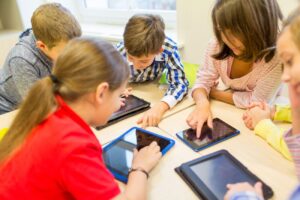
The iPad opens up a world of global learning opportunities, connecting students with peers and experts from around the globe. Through video conferencing apps like Zoom and Skype, students can participate in virtual exchanges, collaborating on projects with classmates from different countries. This exposure to diverse perspectives enriches students’ learning experiences and fosters a sense of global citizenship.
Additionally, the iPad supports access to international educational resources. Students can take virtual field trips to museums, historical sites, and cultural institutions worldwide. Apps like Google Expeditions and National Geographic Kids provide immersive experiences that broaden students’ horizons and deepen their understanding of global cultures and histories.
Many schools utilize loan servicing for private lenders in order to properly streamline all their financial operations when they are ordering new innovations for their school, including iPads.
Conclusion
The iPad’s integration into the classroom is a game-changer for modern education. Its ability to support diverse learning environments, enhance teacher-parent communication, leverage data analytics, and provide professional development opportunities for educators underscores its value as an educational tool. Moreover, by addressing digital citizenship, online safety, and global learning, the iPad prepares students for the interconnected world they will navigate in the future.
The iPad’s potential to revolutionize education lies in its versatility and adaptability. As technology continues to evolve, so too will the applications and methods for using iPads in the classroom. Educators and students alike must embrace this technological shift, leveraging the iPad’s capabilities to create a more engaging, inclusive, and effective learning environment.
In conclusion, the iPad is more than just a gadget; it is a transformative tool that empowers educators and enriches students’ learning experiences. Its impact on education is profound, fostering a culture of innovation and continuous improvement. As we look to the future, the iPad will undoubtedly play a pivotal role in shaping the landscape of education, driving progress and opening up new possibilities for teaching and learning.