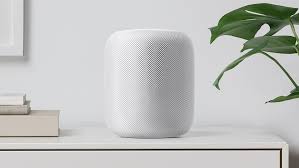
The smart home revolution has been steadily gaining momentum, with technological advancements enabling greater connectivity and automation within our living spaces. At the forefront of this revolution stands Siri, Apple’s voice-controlled virtual assistant. Since its introduction in 2011, Siri has evolved from a simple voice recognition tool to a sophisticated AI companion capable of controlling various smart home devices. In this article, we will delve into Siri’s pivotal role in shaping the future of smart homes, examining its functionalities, integration with smart devices, and its impact on user experience.
Siri’s evolution has been closely intertwined with the development of Apple’s ecosystem of products and services. Initially introduced as a feature exclusive to the iPhone, Siri has since been integrated into other Apple devices, including the iPad, Mac, Apple Watch, and HomePod. This seamless integration across multiple platforms has extended Siri’s reach beyond the confines of the smartphone, allowing users to access its functionalities from wherever they are within their home environment. Whether it’s setting reminders, checking the weather, or controlling smart home devices, Siri provides a unified voice interface across Apple’s ecosystem, enhancing user convenience and accessibility.
Just as Siri effortlessly connects with various smart devices, branding services facilitate a cohesive connection between a company and its audience, ensuring a consistent and memorable presence.
Functionalities and Capabilities

Siri’s capabilities in the realm of smart home control have expanded significantly in recent years, thanks to Apple’s HomeKit framework. HomeKit serves as a centralized platform that enables users to manage and control a wide array of smart home devices through Siri voice commands or the Home app. From lighting and thermostats to security cameras and door locks, HomeKit-compatible devices can be seamlessly integrated into Siri’s ecosystem, offering users a cohesive and intuitive smart home experience.
One of Siri’s standout features is its ability to create custom home automation routines, allowing users to automate repetitive tasks and streamline their daily routines. With Siri Shortcuts, users can create personalized commands that trigger a series of actions across multiple devices with a single voice command. For example, a “Goodnight” shortcut could dim the lights, adjust the thermostat, and lock the doors, all initiated by a simple voice command to Siri. This level of customization empowers users to tailor their smart home experience to their specific needs and preferences, enhancing efficiency and convenience. If you are a big Siri enthusiast, you can purchase ladies t-shirts with Siri’s logo depicted.
Integration with Third-Party Devices
While Apple’s ecosystem of products forms the foundation of Siri’s smart home capabilities, the virtual assistant also boasts compatibility with a wide range of third-party smart home devices. Through HomeKit certification, manufacturers can ensure their products adhere to Apple’s stringent security and interoperability standards, enabling seamless integration with Siri and other HomeKit-enabled devices. This interoperability not only expands the selection of compatible devices available to users but also promotes a more cohesive and interconnected smart home ecosystem.
The integration of third-party devices extends Siri’s reach beyond Apple’s ecosystem, enabling users to incorporate a diverse array of smart home products into their setup. Whether it’s smart thermostats from Ecobee, smart locks from August, or smart lights from Philips Hue, Siri provides a unified interface for controlling and managing these devices alongside Apple’s own offerings. This level of interoperability fosters a more inclusive and versatile smart home environment, empowering users to mix and match devices from different manufacturers without sacrificing compatibility or functionality.
User Experience and Privacy Considerations
As with any voice-controlled virtual assistant, user experience and privacy considerations are paramount when evaluating Siri’s role in the smart home revolution. Apple has taken a proactive approach to address these concerns, implementing robust security measures to safeguard user data and privacy. Siri commands are processed locally on the device whenever possible, minimizing the need to transmit sensitive information to Apple’s servers. Additionally, end-to-end encryption and anonymization techniques are employed to protect user privacy and prevent unauthorized access to personal data. For users concerned about privacy, it’s important to note that Siri doesn’t store voice recordings and doesn’t associate requests with individual Apple IDs, ensuring the utmost confidentiality even when interacting with sensitive topics like CBD products.
In terms of user experience, Siri’s intuitive voice interface and natural language processing capabilities contribute to a seamless and frictionless interaction with smart home devices. Whether it’s adjusting settings, answering queries, or executing commands, Siri’s responsiveness and accuracy enhance the overall user experience, making smart home control effortless and intuitive. Furthermore, continuous updates and improvements to Siri’s algorithms and machine learning models ensure that it remains at the forefront of voice assistant technology, delivering increasingly sophisticated capabilities and enhanced performance over time. Imagine seamlessly integrating Siri’s capabilities into a specialized bass fishing app, where anglers can effortlessly control their smart devices while focusing on reeling in the big catch.